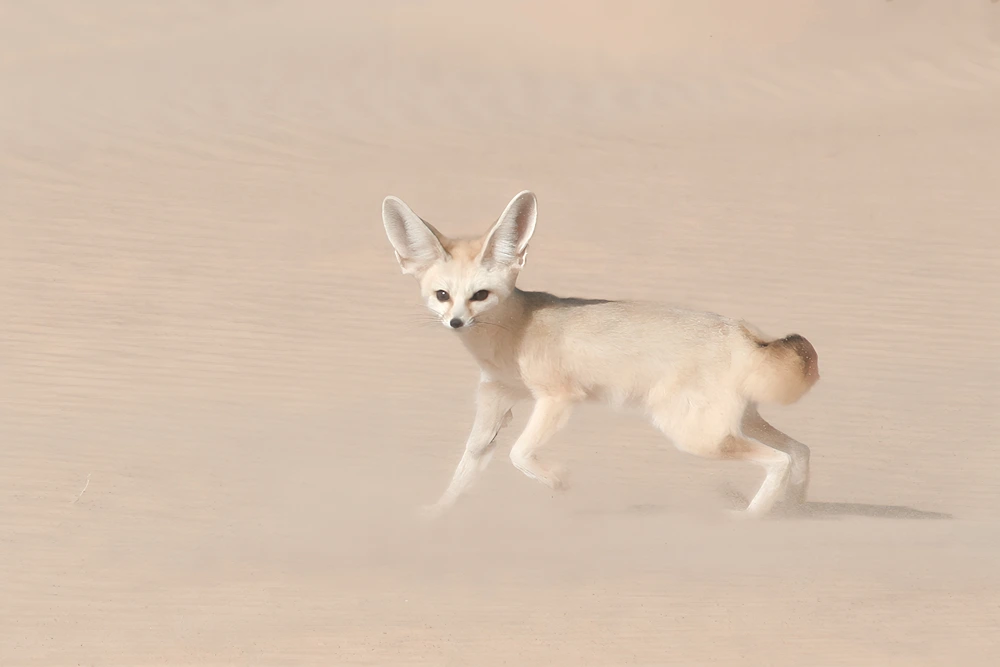


You’ve probably heard of the German Shepherd, one of the world’s most famous guard dogs. But have you ever heard of the Aidi Dog?
I still remember the morning mist rolling over the Atlas Mountains when my childhood companion would stand alert beside me, scanning the horizon with amber eyes that seemed to hold centuries of wisdom.
Back then I did not fully realize that this loyal guardian was not just any dog. It was one of our own native breeds, shaped by thousands of years in Morocco’s Atlas Mountains.
In this article, I will walk you through everything you need to know about the Aidi Dog, its ancient history, unique traits, and why now is the time to give this forgotten guardian the recognition it deserves.
The History of the Aidi Dog
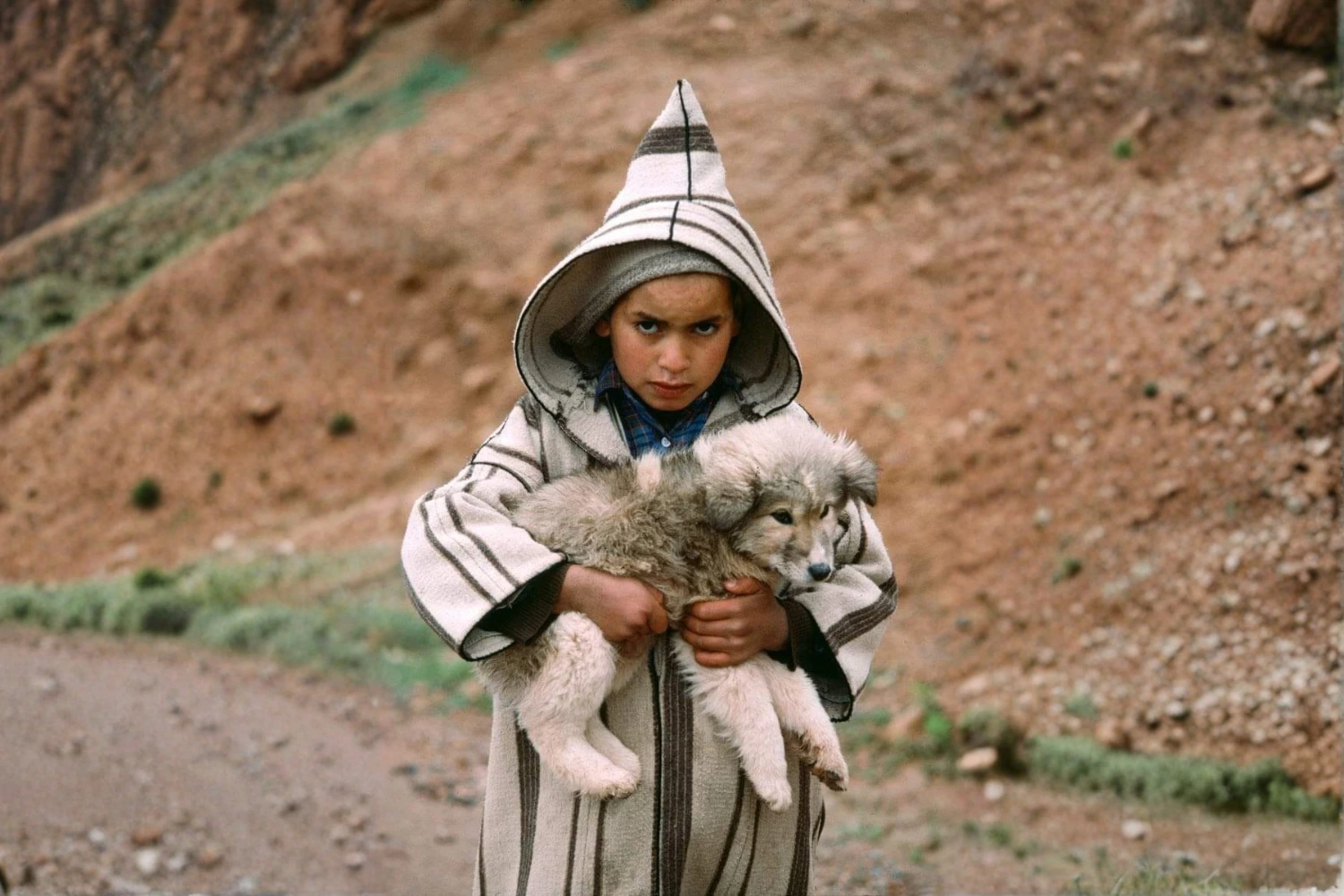
The Meaning Behind the Name “Aidi”
The Aidi, also known as the Atlas Mountain Dog, has been an essential part of Amazigh culture for centuries. The name Aidi comes from the Tamazight word “ⴰⵢⴷⵉ” pronounced “aydi”, which simply means “dog”.
The fact that the Aidi Dog shares its name with the general word for “dog” reflects just how deeply rooted it is in Amazigh traditions. It was not just any dog—it was the dog, a trusted guardian and protector of its people.
The Ancient Origins of the Aidi Dog
Like all domestic dog breeds, the Aidi Dog’s lineage traces back to the grey wolf, from which it is believed to have descended.
About 14,000 years ago, humans began domesticating wolves, selecting those that were more sociable and protective, and over generations, these early canines developed into specialized breeds, each adapted to different roles and environments across the planet.
But unlike modern breeds that have been genetically modified for specific traits, the Aidi Dog has remained largely unchanged, serving as a living testament to successful natural selection in the Atlas Mountains.
The Aidi Dog Characteristics
Physical Traits
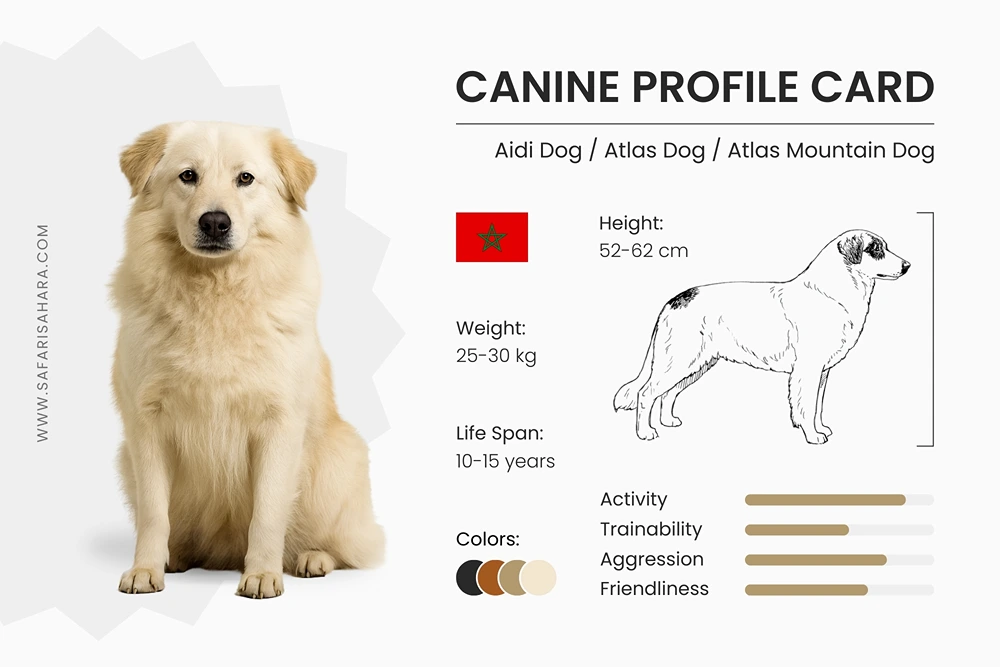
The Aidi Dog is a muscular, well-proportioned breed built for strength and agility. Its powerful frame allows it to move quickly across rugged Atlas mountains terrain, making it an excellent guardian in remote areas.
Dog Height: **
Male Aidi Dogs usually stand between 52 and 62 cm (20 to 24 inches) tall at the shoulders, while females are a bit shorter.
Dog Weight: **
Most Aidi Dogs weigh between 25 and 30 kilograms (55 to 66 pounds), though this can vary slightly based on the dog’s activity level and diet.
Dog Color: **
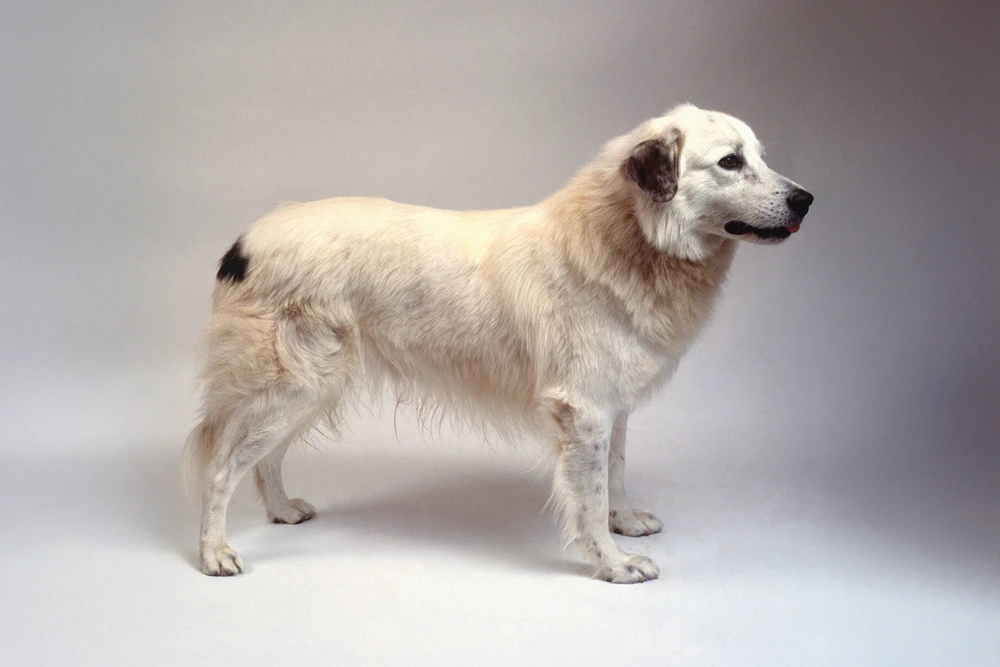
The Aidi Dog is found in a variety of colors, like black and white, reddish-brown, but creamy white is traditionally preferred. White markings are also frequently seen, especially on the chest, paws or tail.
Dog Coat: **
The Aidi Dog has a dense, weather-resistant coat that’s about 6 centimeters (2.4 inches) long. It’s thick enough to protect against harsh mountain weather and even bites from predators.
Dog Tail: **
The tail of the Aidi Dog is thick and bushy. It hangs low with a slight curve when the dog is calm but lifts when the dog is alert or moving.
Head & Facial: **
The head of the Aidi is conical with a flat broad skull and shorter muzzle. Ears are medium length and half-drop, rising forward when alert. The eyes vary from amber to brown and give a direct, observant expression.
Overall Look: **
The Aidi Dog is slightly longer than it is tall (ratio 10:9), with a big chest that reaches the elbows and a broad, muscular back. The loin is slightly arched, and the croup slopes gently, giving the dog a strong, athletic silhouette ideal for rugged terrain.
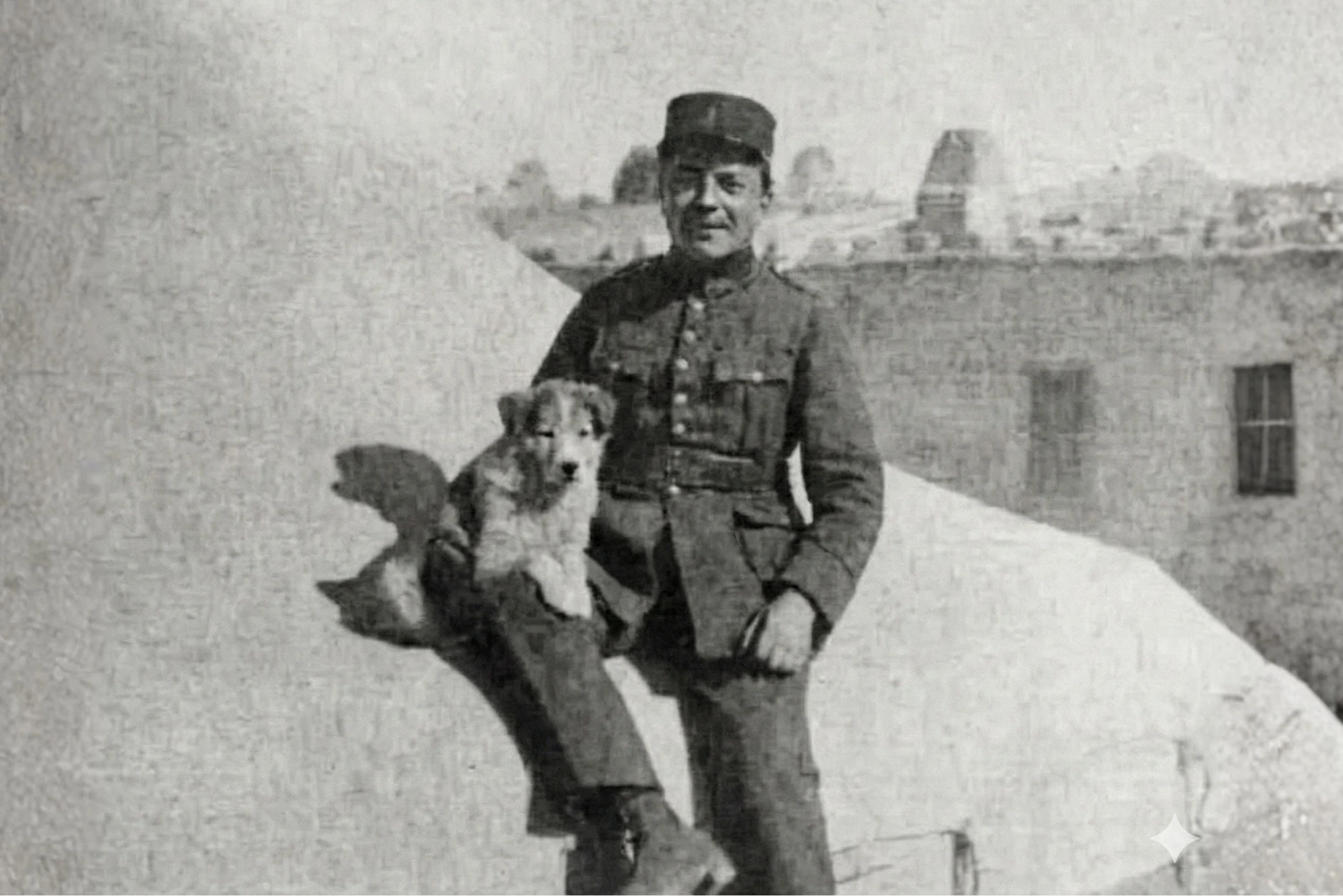
Taken in 1923 during the French colonial presence in Morocco, this photo shows a French soldier with a young Aidi dog from the Midelt region. This is one of the oldest known images of an Atlas Mountain Dog, clearly showing the early traits of this noble mountain guardian.
Behavioral Traits
Protective Instinct: **
The Aidi Dog is naturally protective, a trait shaped over thousands of years while guarding livestock, homes, and families in the remote Atlas Mountains and deserts of North Africa.
Brave & Fearless: **
The Aidi Dog is known to take on predators much larger than itself, like jackals, wild boars, and even hyenas. This breed doesn’t back down easily and is naturally fearless when facing threats.
Loyal & Loving: **
While the Aidi Dog can be cautious around strangers, it is deeply loyal and loving toward its owner and family, and it enjoys being close to people it knows.
Not a Noisy Dog: **
The Aidi Dog doesn’t bark without reason. It usually stays quiet and only uses its voice to alert its owner when something truly matters.
Always on High Alert: **
The Aidi Dog is very alert and full of energy. It often picks up on sounds or movements and reacts before people even notice them.
Smart but Independent: **
The Aidi Dog is an intelligent breed, but it likes to think for itself. It may not always follow commands right away unless it receives clear and consistent training to set boundaries and earn its respect.
Official Recognition & Heritage
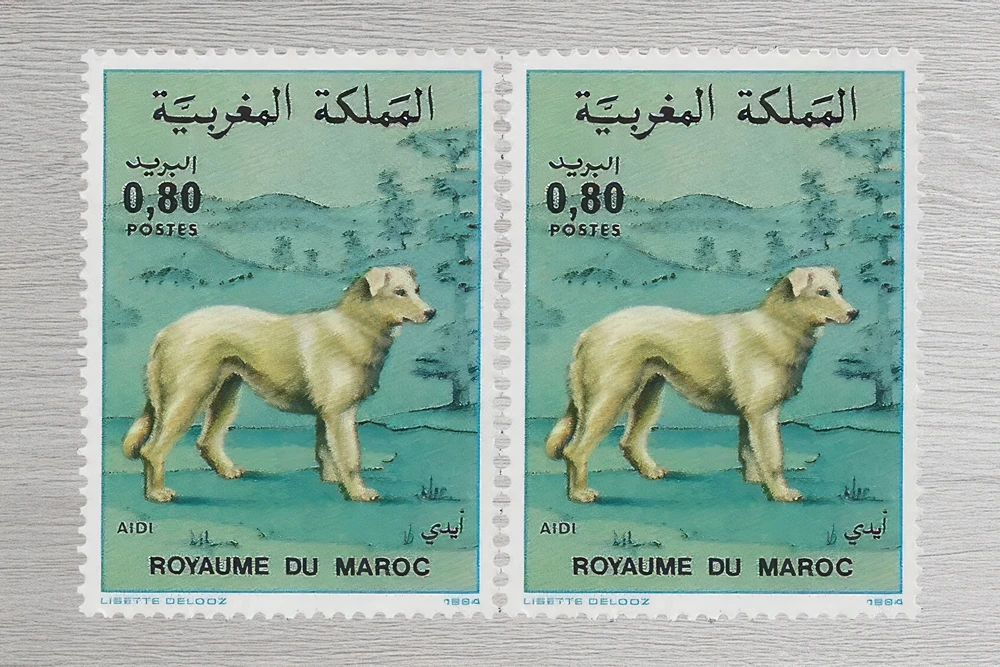
The Fédération Cynologique Internationale (FCI) officially recognized the Aidi Dog as a purebred in 1963 under standard number 247, classifying it within the Molossoid breeds group.
At first, it was mistakenly classified as an ‘Atlas Sheepdog’ likely because of its thick coat. However, by 1969 this was later corrected, and it was formally acknowledged as a livestock guardian breed, true to its purpose.
Years later, in 1984, the Moroccan government honored the Aidi Dog with a commemorative stamp as part of its “Native Dogs” series, recognizing it not just as a breed but as a symbol of Morocco’s cultural identity.
What Science Says About the Aidi?
Modern genetics has confirmed what Amazigh elders always knew that the Aidi Dog is truly unique. A 2006 genetic study led by Dr. Ana El Pires, found that the Aidi Dog carries unique mitochondrial DNA markers that aren’t found in European breeds. This shows that the Aidi Dog developed in isolation over centuries, shaped specifically by life in North Africa.
In a follow-up 2009 study, Dr. Ana El Piers and her team used more advanced tools like AFLP markers, revealing even stronger evidence of the Aidi’s genetic uniqueness. These techniques confirmed that the Aidi Dog stands apart from other breeds, even at the molecular level.
However, despite its ancient origins and unique genetic profile, the Aidi Dog remains largely understudied in modern canine science. This raises the question, If Moroccan scientists who belong to this land do not take interest in studying this breed, then who will?
Why the Aidi Has Become Overlooked?
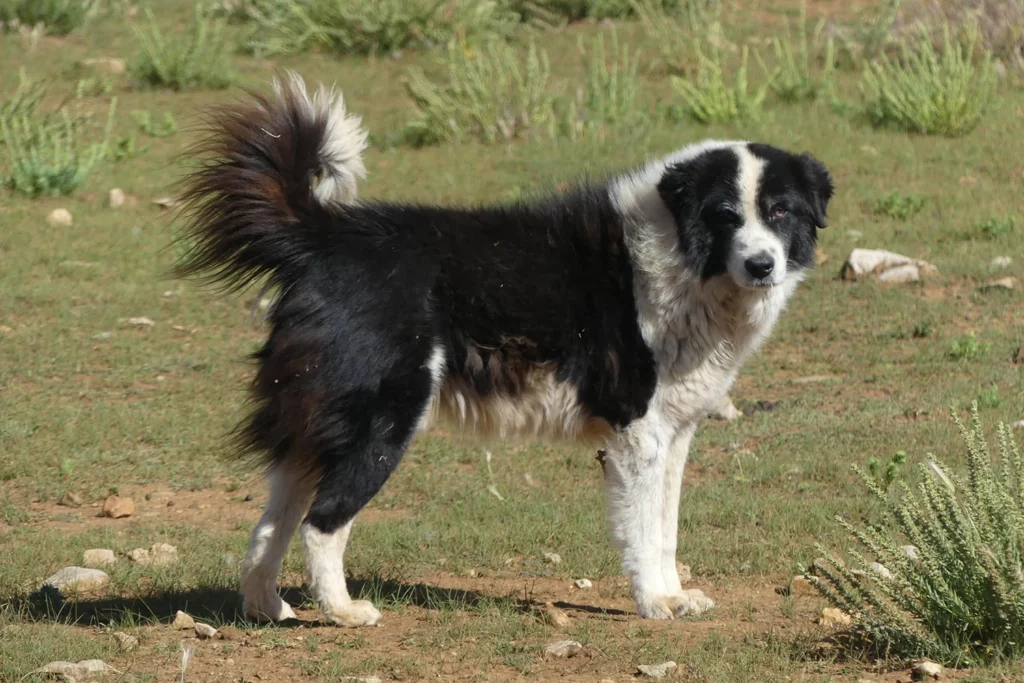
Once held in high regard, guarding the homes of kings, tribal leaders, and nomadic tribes, the Aidi Dog today is often seen wandering mountain villages, neglected or mistaken for a stray.
The Lack of Awareness Among Moroccans
The Aidi Dog is a native Moroccan breed that many in the younger generation, including myself at one point, grew up barely recognizing. The growing disconnect between the dog’s heritage and younger generations puts the breed at risk, whether through neglect or crossbreeding that slowly changes its original traits.
Rising Preference for Foreign Dog Breeds
Morocco is home to two of the most remarkable native dog breeds in the world, the elegant Sloughi and the strong Aidi Dog. However, they are often overlooked as foreign breeds grow in popularity.
Many of these imported dogs, some originally left behind by European colonists, are now widely preferred by Moroccans, often chosen more for their modern look and popularity than for any cultural connection.
How Can We Preserve the Aidi Dog?
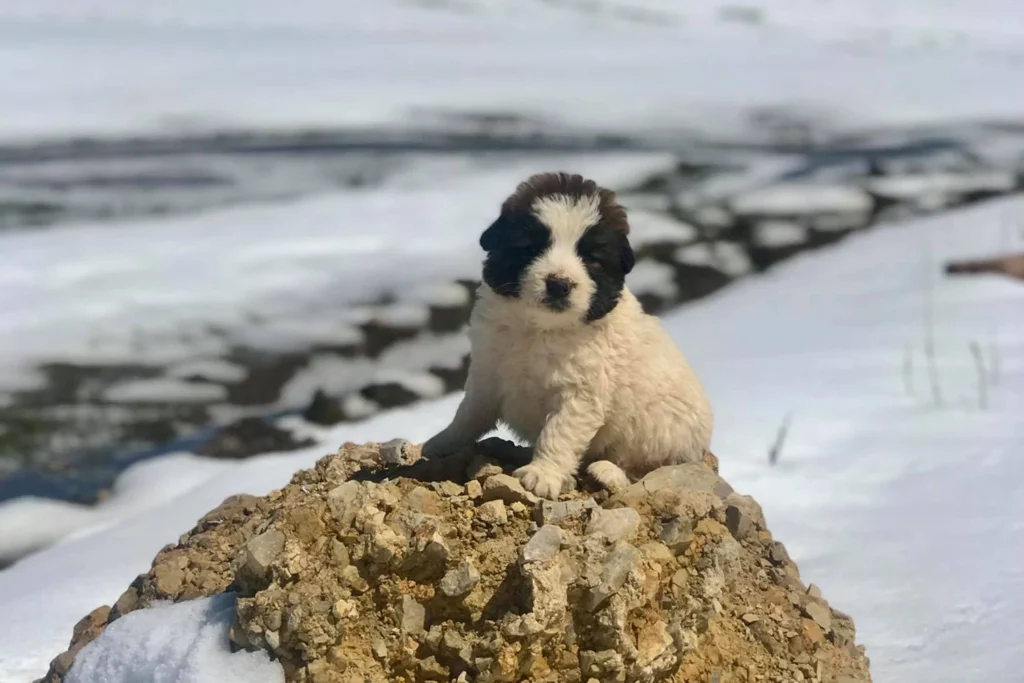
Preserving the Aidi Dog starts with recognizing it as more than just a breed, but as part of Moroccan heritage. Efforts like the 1984 postage stamp were a good start, but they were mostly symbolic.
Thanks to the Société Centrale Canine Marocaine (SCCM), an organization that plays a major role to preserve Morocco’s native breeds. They maintain the country’s official breed records, which ensures the Aidi’s lineage is properly documented and protected.
The Aidi Dog should be featured in national campaigns, school programs, tourism efforts, and cultural events to remind people, especially the younger generations of its place in Moroccan heritage.
What It’s Like to Own an Aidi?
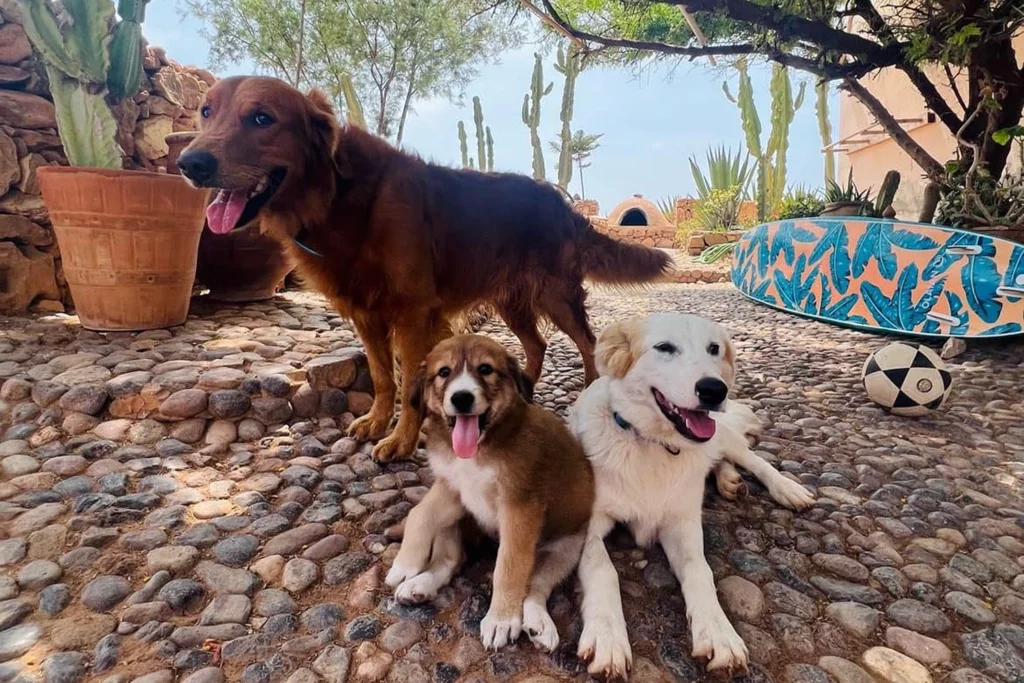
Owning an Aidi Dog is not quite like living with your average pet. This is a breed shaped by centuries of survival instincts. If left untrained and unsocialized at an early age, the Aidi may become overly territorial or reactive, especially in unfamiliar environments.
The Aidi Dog thrives best in structured environments where it feels like it has a job to do. Apartment life usually do not suit this breed. The Aidi Dog is energetic and needs daily physical and mental stimulation—whether that’s long walks, hikes, open space to run, or guarding a property.
In the right hands, the Aidi is much more than a pet. It’s a partner, one that stands beside you with alert eyes and a loyal heart. With consistent guidance, it learns quickly and becomes both obedient and deeply loyal.
Discover the Aidi’s Homeland
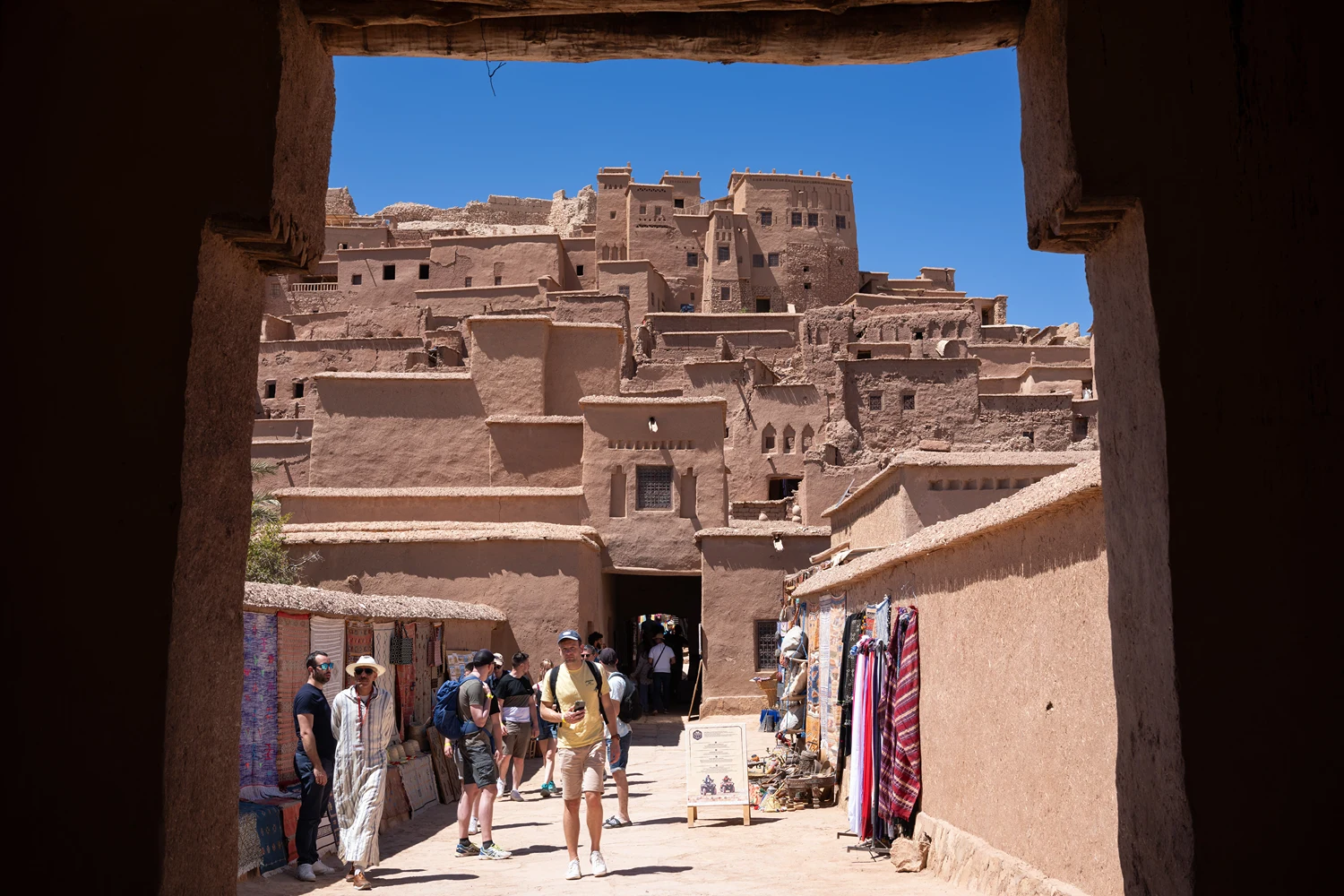
At Safari Sahara Travel Agency, we take pride in showcasing the real Morocco. Our Atlas Mountains tours give travelers the chance to experience the same remote villages, valleys, and highlands where the remarkable Aidi Dog once stood guard.
Whether you’re passionate about wildlife, culture, or simply curious to explore off the beaten path, our guided experiences connect you with the roots of Amazigh life and the history behind the Aidi Dog.
Conclusion
Writing this article brings me back to childhood memories of my own Aidi Dog. I still remember its loyalty, its calm strength, and the way it always seemed to be watching over me with those intelligent eyes.
Looking back now, I realize that what I lost wasn’t just a beloved pet. It was a living part of our Amazigh heritage that carried within its DNA the story of thousands of years of mountain life.